
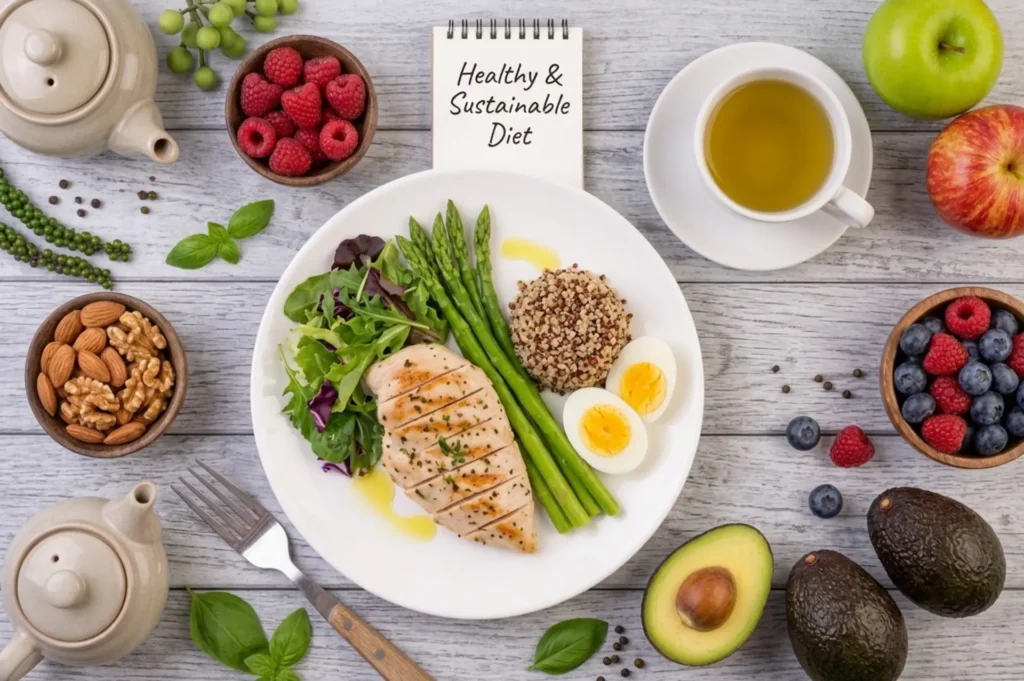
If you’re trying to lose weight, the truth is fairly simple: some foods make the process easier, and others quietly sabotage it. The body responds very differently to a plate of leafy greens and grilled fish than it does to refined carbs or sugary snacks. That difference shows up in hunger levels, energy, and ultimately the number on the scale.
People often look for complicated solutions, strict diets, expensive supplements, and aggressive workout routines. Yet in everyday life, weight loss usually comes down to consistent healthy foods choices. Eat foods that keep you satisfied, stabilise your blood sugar, and support your metabolism, and the process becomes far more manageable.
I’ve noticed something interesting over the years: people rarely struggle because they don’t know what to eat. They struggle because they underestimate how powerful certain simple foods can be when eaten regularly. Some ingredients quietly help control appetite, while others support digestion or fat metabolism.
So instead of focusing on restrictions, it makes more sense to focus on the foods that genuinely help. A handful of them show up again and again in nutrition research and real-life weight loss stories.
Why Food Choice Matters for Weight Loss
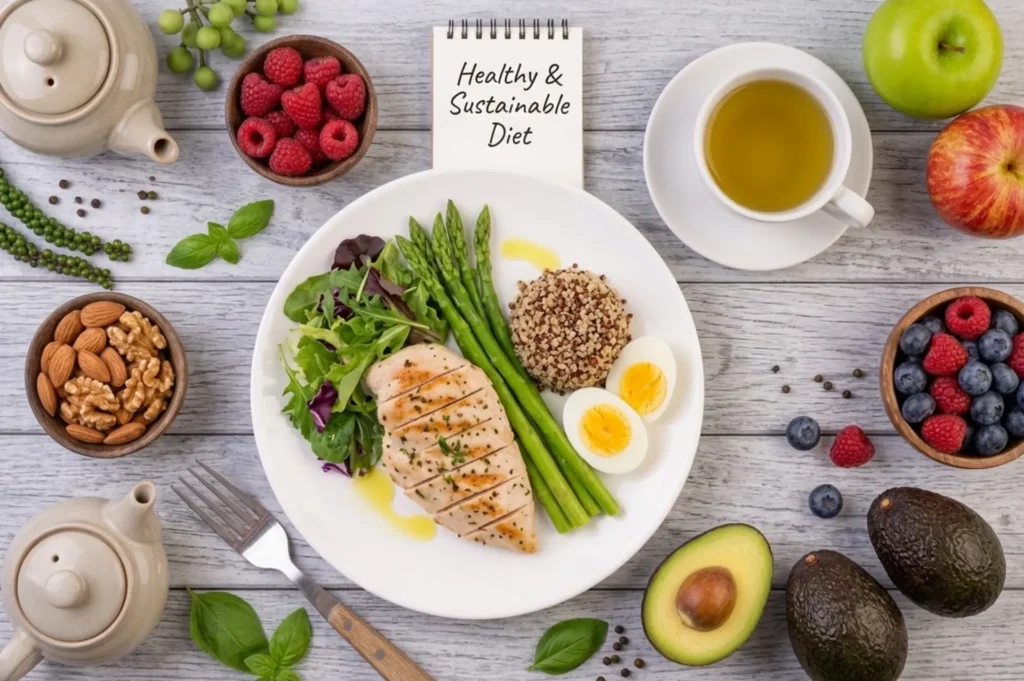
Here’s the thing: calories do matter, but they don’t tell the whole story. Two meals might contain the same number of calories, yet leave you feeling completely different afterwards. One might keep you full for hours. The other? You’re rummaging through the fridge half an hour later.
That’s where nutrients come in. Foods rich in protein, fibre, and healthy fats slow digestion and regulate hunger hormones. It’s a bit like putting steady logs on a fire instead of paper. The energy lasts longer and burns more evenly.
Think about a typical office afternoon. Someone eats a chocolate bar for a quick boost. It works for about twenty minutes, maybe. Then comes the crash, the irritability, and the next snack. Compare that with someone who had oats or yoghurt earlier in the day. They’re usually far less desperate for sugar by mid-afternoon.
Another factor people overlook is metabolism. Certain foods require more energy for the body to digest. Protein is a good example. Your body actually burns calories while processing it. It’s not dramatic enough to cancel out overeating, of course, but it does help tip the balance in the right direction.
Leafy Greens
Leafy greens are one of those foods that seem almost too simple to matter. Spinach, kale, lettuce, they don’t look exciting on a plate. Yet they quietly do a lot of work in a healthy diet.
For starters, they’re incredibly low in calories but high in volume. You can fill a bowl with salad and barely dent your daily calorie intake. That’s useful when you’re trying to eat less without constantly feeling hungry.
They’re also packed with fibre. Fibre slows digestion and helps keep you full. Anyone who has tried a salad loaded with spinach, cucumber, and a bit of grilled chicken knows the feeling – you’re satisfied, but not heavy.
There’s also the nutrient factor. Leafy greens contain magnesium, vitamins, and antioxidants that support overall health. Weight loss rarely works in isolation. The body performs better when it gets the micronutrients it needs.
Eggs
Eggs often get caught in the middle of nutrition debates. One year they’re praised, the next they’re blamed for cholesterol concerns. Yet most modern research points in the same direction: eggs are a very useful food for weight management.
They’re rich in high-quality protein, which helps control appetite. A breakfast with eggs tends to keep people fuller for longer than a breakfast built around refined carbs like white toast or pastries.
Actually, I’ve seen this play out many times. Someone swaps their sugary cereal for two eggs and a slice of wholegrain toast. Within a week, they notice they’re not snacking as much before lunch.
Eggs are also incredibly versatile. Boiled, scrambled, or poached, they fit into almost any meal plan without much effort. And convenience matters more than people think when building sustainable eating habits.
Oats
Oats might not look like a powerful weight-loss food, but they’ve earned their reputation over time. The reason is largely down to a type of fibre called beta-glucan.
That fibre slows digestion and helps regulate blood sugar levels. In practical terms, it means a bowl of oats can keep hunger away for several hours. That’s a big advantage when mornings are busy.
There’s also a comfort factor to oats. Warm porridge feels filling and satisfying, which makes it easier to stick to healthy eating. A bowl topped with berries and a few nuts feels like real food rather than a restrictive diet.
Some people worry about the carbohydrate content. But when carbs come bundled with fibre, vitamins, and slow digestion, the body handles them very differently from refined sugar.
Greek Yoghurt
Greek yoghurt is one of those foods that quietly appears in many successful weight loss diets. The reason is fairly straightforward: it combines high protein with relatively low calories.
Protein plays a big role in appetite control. When you eat protein-rich foods, your body releases hormones that signal fullness. That’s why a bowl of Greek yoghurt tends to feel more satisfying than a sugary dessert yoghurt.
Another benefit is gut health. Greek yoghurt contains beneficial bacteria that support digestion. A healthy gut microbiome seems to play a role in weight regulation, although scientists are still figuring out exactly how.
It’s also incredibly easy to include in daily life. Breakfast, afternoon snack, even a base for healthy sauces. When healthy foods are convenient, people are far more likely to stick with them.
Berries
Berries often surprise people. They taste sweet, yet they’re relatively low in calories compared with many other fruits.
Strawberries, blueberries, raspberries- they’re loaded with antioxidants and fibre. That fibre slows the absorption of natural sugars, preventing the blood sugar spikes that often trigger cravings later on.
There’s also the psychological side. When someone is trying to lose weight, they often feel like desserts are completely off limits. A bowl of berries with yoghurt or a small piece of dark chocolate can satisfy that sweet tooth without derailing progress.
And honestly, berries just feel like a treat. That matters more than strict dieting rules.
Avocados
Avocados are a bit of a paradox. They’re relatively high in calories, yet they’re widely recommended for weight loss. Sounds strange, right?
The explanation lies in their healthy fats. Those fats slow digestion and promote a feeling of fullness. A meal that includes avocado tends to keep hunger away for longer.
There’s also evidence that healthy fats help regulate blood sugar levels. When meals contain a balance of fat, fibre, and protein, cravings tend to drop significantly.
Of course, portion size still matters. Half an avocado added to a salad or sandwich can be helpful. Eating three in one sitting probably isn’t.
Nuts
Nuts have a similar reputation to avocados. They’re calorie-dense, which makes people wary. Yet research consistently shows that moderate nut consumption is linked to healthier body weight.
Part of the reason is satiety. A small handful of almonds or walnuts can be surprisingly filling. The combination of protein, fibre, and healthy fats works together to curb hunger.
There’s also the convenience factor again. Nuts are easy to carry, require no preparation, and help prevent impulsive snack choices. Anyone who has grabbed biscuits simply because they were the only option will understand that.
Interestingly, some studies suggest the body doesn’t absorb every calorie from nuts because of their structure. Not a magic trick, but a helpful detail.
Lean Protein
Lean protein foods such as chicken breast, fish, turkey, and tofu play a major role in natural weight loss.
Protein supports muscle maintenance, and muscle tissue burns more calories than fat tissue. That’s one reason people with higher protein diets often maintain weight loss more successfully.
Protein also requires more energy to digest compared with carbohydrates or fats. The body uses additional calories during the digestion process, which slightly increases energy expenditure.
More importantly, protein keeps people full. A meal with adequate protein tends to prevent that familiar late-evening hunger that leads to unnecessary snacking.
Whole Grains
Whole grains often get unfair criticism from trendy diet movements. Yet when eaten in reasonable portions, they can actually support weight loss.
The key difference is fibre. Whole grains like brown rice, quinoa, and whole oats digest slowly, releasing energy gradually rather than causing sudden blood sugar spikes.
This steady energy helps control hunger throughout the day. Someone who eats balanced meals with whole grains often experiences fewer intense cravings.
It’s a bit like fuel for a car. Cheap fuel burns quickly and leaves you stranded sooner. Quality fuel lasts longer and keeps the engine running smoothly.
Green Tea
Green tea has been studied quite extensively in the context of metabolism and fat oxidation. While it’s not a miracle drink, it does seem to offer modest support for weight management.
It contains compounds called catechins, which may help increase fat burning slightly. Combined with caffeine, this can gently boost metabolic activity.
But honestly, one of its biggest advantages is behavioural. People who drink green tea often replace sugary drinks like soft drinks or sweetened coffee.
Swapping a high-calorie beverage for a near-zero-calorie one can quietly remove hundreds of calories from the daily diet. Over time, that adds up.
Tips for Including These Foods in Your Daily Diet
Knowing which foods help with weight loss is useful. Actually eating them regularly, that’s where most people stumble.
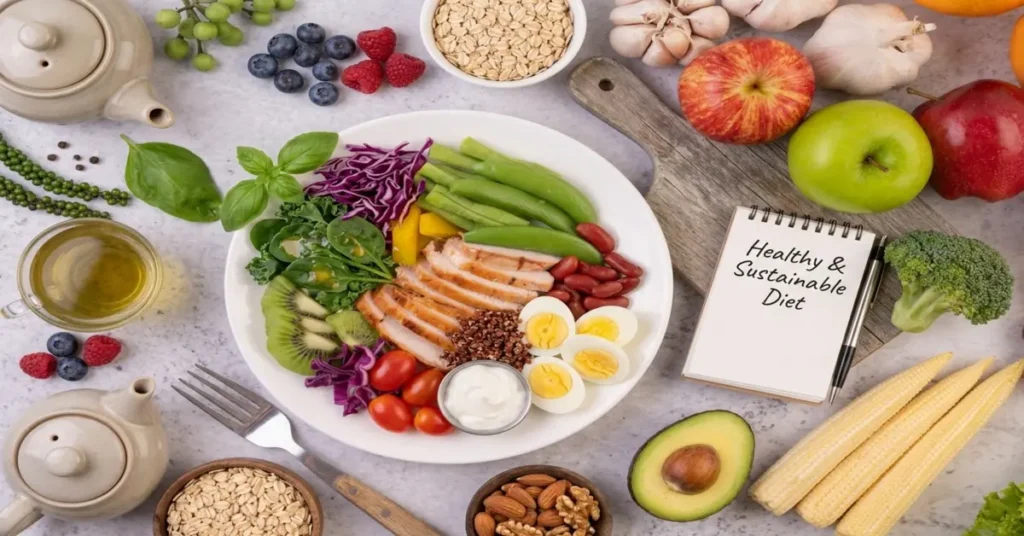
One approach that works surprisingly well is a simple meal structure. Build meals around protein, add vegetables or leafy greens, and include a moderate portion of whole grains or healthy fats. It’s not complicated, but it’s reliable.
Preparation also makes a difference. When healthy foods are ready to go, people naturally reach for them. Pre-washed salad greens, boiled eggs, and yoghurt in the fridge; these small details remove friction.
And here’s something worth remembering: variety keeps healthy eating interesting. Rotating different fruits, grains, and protein sources prevents the boredom that often leads people back to processed foods.
Common Weight Loss Mistakes to Avoid
One of the most common mistakes is skipping meals. People think eating less frequently will speed up weight loss, but it often backfires. Hunger builds, self-control drops, and the next meal turns into overeating.
Another issue is relying too heavily on “diet foods”. Low-fat snacks and heavily processed products might look healthy on packaging, but they rarely satisfy hunger properly.
Then there’s the all-or-nothing mindset. Someone eats one unhealthy meal and decides the entire day is ruined. Real life doesn’t work like that. Progress usually comes from consistent habits, not perfect days.
Sleep and stress also play larger roles than people expect. Poor sleep can increase hunger hormones, making even disciplined eaters crave sugar and refined carbs.
Why Professional Guidance Helps With Weight Loss
Weight loss advice is everywhere these days. Social media, magazines, diet books. The problem is that much of it contradicts itself.
That’s where professional guidance becomes valuable. A structured programme can look at a person’s lifestyle, health history, and nutritional habits before recommending changes.
Centres such as Kenda Slimming Centre focus on non-surgical weight management combined with personalised nutrition guidance. The idea is to address long-term habits rather than chasing quick fixes.
For many people, accountability also matters. Having someone track progress, adjust plans, and offer realistic advice often makes the difference between temporary dieting and lasting change.
Conclusion
Natural weight loss rarely comes from one dramatic change. It usually grows out of small daily habits, the meals we cook, the snacks we choose, and the drinks we reach for.
Foods like leafy greens, eggs, oats, berries, and lean proteins quietly support those habits. They help control hunger, stabilise energy, and nourish the body properly.
And that’s the real goal. Not just losing weight, but building a way of eating that feels sustainable long after the diet phase is over.
Frequently Asked Questions
What foods help burn fat naturally?
Foods rich in protein, fibre, and healthy fats tend to support fat loss. Lean proteins, leafy greens, berries, and whole grains help control appetite and stabilise blood sugar levels.
Can diet alone help with weight loss?
Diet plays the biggest role, but lifestyle matters too. Physical activity, sleep quality, and stress levels all influence how the body stores or burns energy.
How quickly can you lose weight safely?
Most health professionals consider a gradual loss of around half to one kilogram per week to be realistic and sustainable.
What foods should be avoided during weight loss?
Highly processed foods, sugary drinks, and refined carbohydrates are the main culprits. They tend to provide lots of calories but very little satiety.