

Breakfast tends to be treated as either essential or completely optional. There is very little middle ground in how people talk about it. In practice, the truth seems less absolute.
What you eat in the morning can influence how the rest of the day unfolds. Not in a dramatic, life-changing way, but in smaller, cumulative ways. Hunger patterns, energy levels, and even the likelihood of reaching for quick snacks later on. These shifts are subtle, though they add up over time.
A useful breakfast does not need to be elaborate. It simply needs to work within your routine and keep you reasonably satisfied. This guide looks at the best weight loss breakfast ideas, why timing and composition matter, and how to build a morning meal that feels realistic rather than forced., and how to build a morning meal that feels realistic rather than forced. If you are also exploring professional support alongside dietary changes, ournon-invasive weight loss treatments in Oldham offer a complementary approach worth considering.
Why Breakfast Matters for Weight Loss

The Science Behind a Healthy Morning Meal
Skipping breakfast is often presented as an easy calorie cut. That logic is appealing, but it does not always play out as expected. Some people manage well without eating early. Others find that hunger builds quietly and then shows up later, often in the form of larger meals or frequent snacking.
There is some evidence suggesting that going without food in the morning may influence hunger hormones such as ghrelin. According to Harvard T.H. Chan School of Public Health, when ghrelin levels rise, appetite tends to follow. That does not mean breakfast is mandatory for everyone, but it may help explain why some people feel out of control later in the day after skipping it.
A balanced breakfast, particularly one that includes protein and fibre, appears to steady appetite for several hours. Not perfectly, but enough to reduce impulsive eating.
How Morning Meals Affect Energy and Metabolism
After a night without food, the body is already running on stored energy. Eating in the morning provides a fresh input, which may support more stable energy levels.
The idea of breakfast “boosting metabolism” is often overstated. Still, research published by the NHS notes that meals containing protein and fibre tend to have a slightly higher thermic effect. The impact is modest, but not irrelevant.
More noticeable, perhaps, is the effect on concentration and mood. A well-balanced breakfast may help avoid that mid-morning dip where focus starts to slip. This steady energy foundation works particularly well alongside treatments like our infrared body treatments, which further support metabolism and circulation.
A practical guideline, eating within one to two hours of waking, seems to work for many people. Not a strict rule, just a useful reference point.
Key Benefits of a Weight-Loss-Friendly Breakfast
A consistent morning meal may help regulate hunger across the day. Energy levels tend to feel more stable, particularly through the late morning, with fewer sudden cravings for sugary snacks. Protein intake early in the day may support muscle maintenance during weight loss, and establishing a routine can make overall eating patterns easier to manage.
These are tendencies rather than guarantees. Individual responses vary, sometimes quite noticeably. For those looking to accelerate results beyond diet alone, our non-invasive slimming treatments at Kenda are designed to complement healthy lifestyle habits.
Top Foods for Your Morning Weight Loss Routine
Protein-Rich Options That Help You Stay Full

Protein often plays a central role in weight-loss breakfasts. It takes longer to digest than simple carbohydrates, which may help extend the feeling of fullness. The British Dietetic Association recommends spreading protein intake across meals for optimal satiety and muscle support.
Eggs are a common choice. They are relatively inexpensive, easy to prepare, and provide a solid amount of protein. Greek yoghurt is another option, particularly the plain variety, which avoids added sugar. Cottage cheese tends to be overlooked, though it contains slow-digesting protein that may keep hunger at bay for longer.
Smoked salmon offers a different profile, combining protein with omega-3 fats. For those short on time, a smoothie can work, though it needs to be built carefully. Adding spinach, berries, and a protein source makes it more balanced than simply blending fruit.
Fibre-Rich Foods That Support a Balanced Start
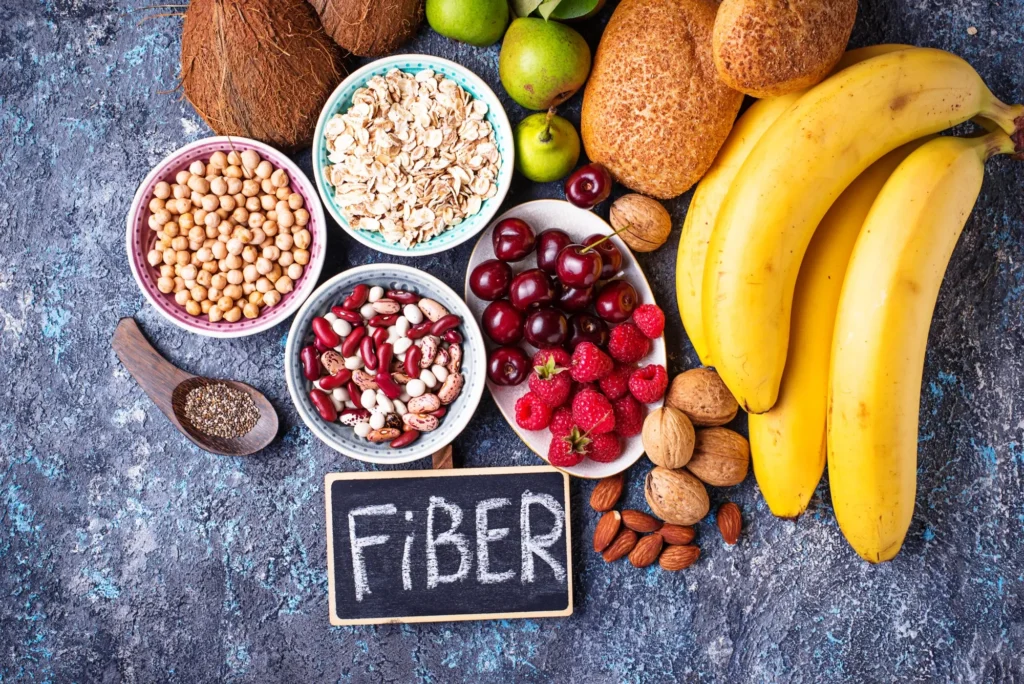
Fibre slows digestion, which can help stabilise blood sugar levels. The NHS Eatwell Guide recommends adults consume at least 30g of fibre daily, and breakfast is an ideal opportunity to contribute toward that target.
Oats are a reliable option, particularly rolled or steel-cut varieties. They contain beta-glucan, a type of fibre associated with prolonged fullness. Chia seeds behave differently. They absorb liquid and expand, which may create a sense of satiety even in small amounts.
Berries provide fibre without excessive sugar. Avocado combines fibre with fat, which can make meals feel more substantial. Wholegrain toast is another simple addition, especially when paired with protein-based toppings.
Foods That May Work Against Your Goals
Some breakfast options appear harmless but can lead to quicker hunger later on.
Sugary cereals are a common example. They digest rapidly, often followed by a drop in energy. White toast with jam offers little in terms of protein or fibre. Fruit juice, despite its healthy image, lacks the fibre found in whole fruit and delivers sugar in a concentrated form. Action on Sugar has highlighted that many popular breakfast drinks contain surprisingly high sugar levels.

Flavoured yoghurts can contain more sugar than expected. Pastries, including croissants and muffins, tend to combine refined flour with fats and sugar, making them easy to overeat without feeling full.
Avoiding these entirely is not always necessary. Reducing how often they appear in your routine may be enough. For those who find dietary changes alone feel slow or insufficient, our Electrical Muscle Stimulation and ultrasonic treatments at Kenda provide additional targeted support.
A Simple 5-Day Breakfast Plan for Weight Loss
Putting ideas into practice is often the difficult part. A basic rotation can help remove some of that friction.
Monday — Scrambled eggs with spinach and a slice of wholegrain toast
Tuesday — Overnight oats with chia seeds, blueberries, and a small amount of almond butter
Wednesday — Greek yoghurt with mixed berries and a handful of walnuts
Thursday — Smoked salmon on rye bread with sliced avocado
Friday — A smoothie made with spinach, banana, Greek yoghurt, chia seeds, and almond milk
These are not strict templates. Portions and ingredients can be adjusted depending on preference and needs. Pairing this kind of structured eating with a professional weight loss programme in Oldham can help you stay on track with both nutrition and body contouring goals.

Morning Diet Tips That Make a Difference
Preparing parts of breakfast the night before can save time and reduce rushed decisions in the morning. Even a few minutes of planning helps.
Portion awareness matters. Healthy foods can still add up in terms of calories. Using simple visual cues, such as hand-sized portions, can be surprisingly effective. Diabetes UK offers a useful visual guide to portion sizes that many people find practical.

Drinking water early in the day may support digestion and reduce the chance of mistaking thirst for hunger.
Coffee and green tea are often included. Both contain compounds that may have a mild effect on metabolism, though the impact is not dramatic.
Eating without distraction is another point worth noting. It is easy to consume more than intended when attention is elsewhere.
Frequently Asked Questions
Q1: What is the best breakfast for losing weight?
There is no single answer. Meals combining protein and fibre, such as eggs with vegetables and wholegrain toast, tend to be effective. Overnight oats with berries offer a convenient alternative.
Q2: Is it better to skip breakfast or eat a small one?
For many people, a small, balanced breakfast works better than skipping entirely. That said, some individuals manage well without it, particularly if following structured fasting patterns. It depends on how the body responds.
Q3: How many calories should breakfast contain?
A range of roughly 300 to 450 calories is often suggested. The focus should remain on satiety rather than strict calorie cutting.
Q4: Are smoothies a good option?
They can be, if built carefully. Including protein, fibre, and low-sugar fruit makes them more balanced. Adding fruit juice or sweetened ingredients may reduce their effectiveness.
Q5: Can I eat the same breakfast every day?
Yes, consistency can simplify decision-making. Rotating a few options may help ensure a wider range of nutrients.
Q6: What should I drink in the morning?
Water is usually the best starting point. Black coffee and unsweetened green tea are also common choices. Sugary drinks are best kept to an occasional treat.
Conclusion: A More Thoughtful Way to Start the Day
Weight loss breakfasts are less about restriction and more about composition. Choosing foods that keep you satisfied and support steady energy may make the rest of the day easier to manage.
Small decisions in the morning do not transform everything overnight. Still, they tend to influence what follows. Over time, those patterns can noticeably shape outcomes.
It does not need to be complicated. A simple, repeatable approach often works best.
Considering a More Personal Approach?
Generic plans can only go so far. Everyone responds differently, and what works for one person may not suit another.
If you are in the Manchester and Oldham area and looking for professional support beyond diet, Kenda Slimming Centre offers free consultations to help you understand which treatments might complement your routine. From infrared therapies to Electrical Muscle Stimulation, the team works with your goals rather than against your lifestyle.
Starting with a plan that feels manageable is often more useful than aiming for perfection straight away.