
Thinking about ultrasonic cavitation, Oldham, but not sure what it actually involves? You’re not alone. Many people searching for a non-surgical way to reduce stubborn fat or ease the strain on painful joints have heard about this treatment, but the information online can be vague, generic, or just plain confusing.
This guide is different. It covers exactly what happens at Kenda Slimming Centre in Oldham, from the moment you walk through the door to the results you can realistically expect. No fluff, no pressure, just honest, helpful information.
What Is Ultrasonic Cavitation?
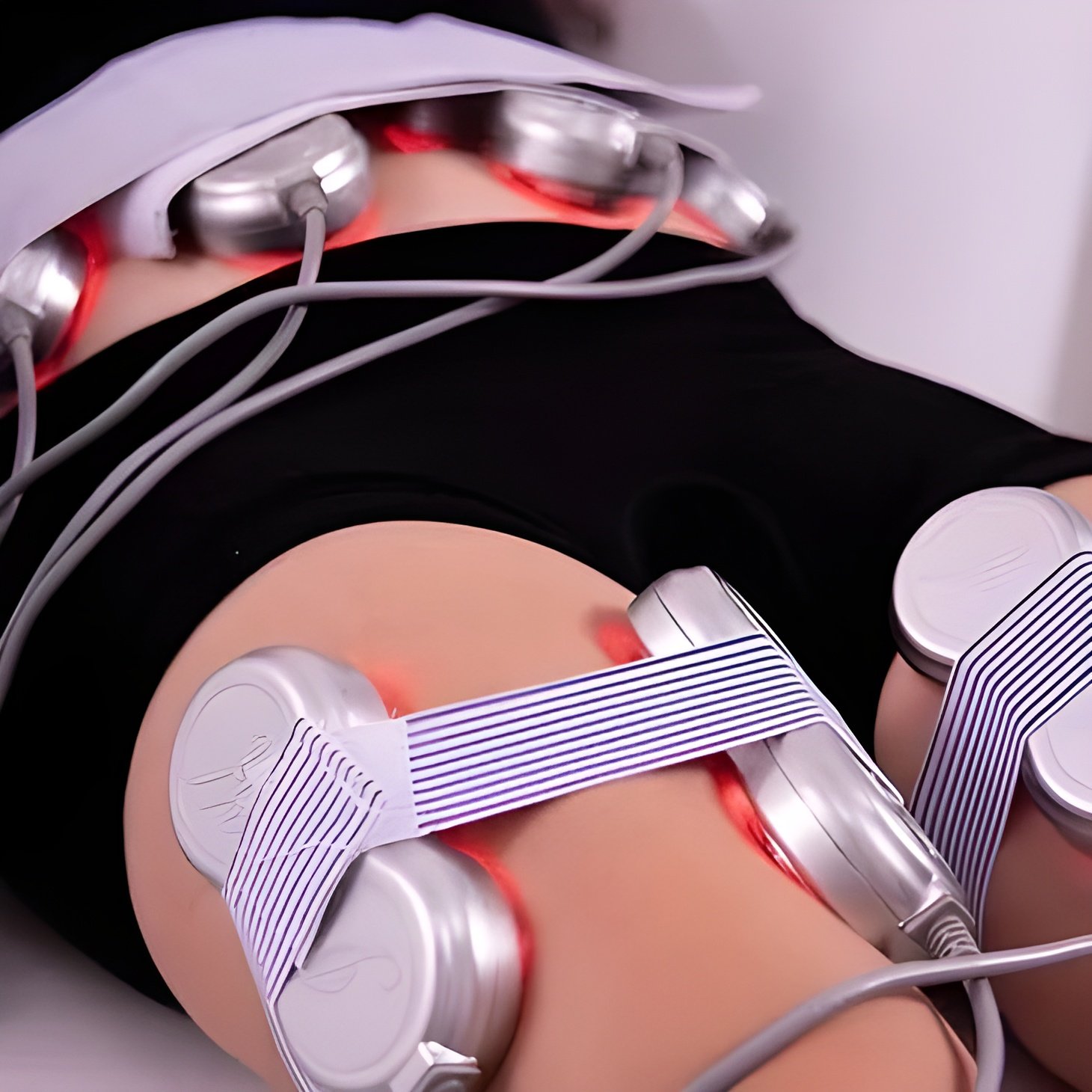
Ultrasonic cavitation is a non-invasive fat reduction treatment that uses low-frequency ultrasound waves to break down fat cells beneath the skin without surgery, needles, or downtime.
During treatment, a handheld device emits targeted ultrasound energy into the subcutaneous fat layer. This creates tiny pressure bubbles around fat cells (a process called acoustic cavitation), which disrupts the fat cell membranes. The released fatty acids are then processed naturally by your lymphatic system and eliminated by the liver.
In short, your body does the heavy lifting; the treatment simply gives it a head start.
According to the NHS, non-invasive cosmetic treatments carry far fewer risks than surgical procedures, making them an increasingly popular first choice for adults looking to reshape specific areas of the body.
Why Kenda Slimming Centre Is Different in Oldham
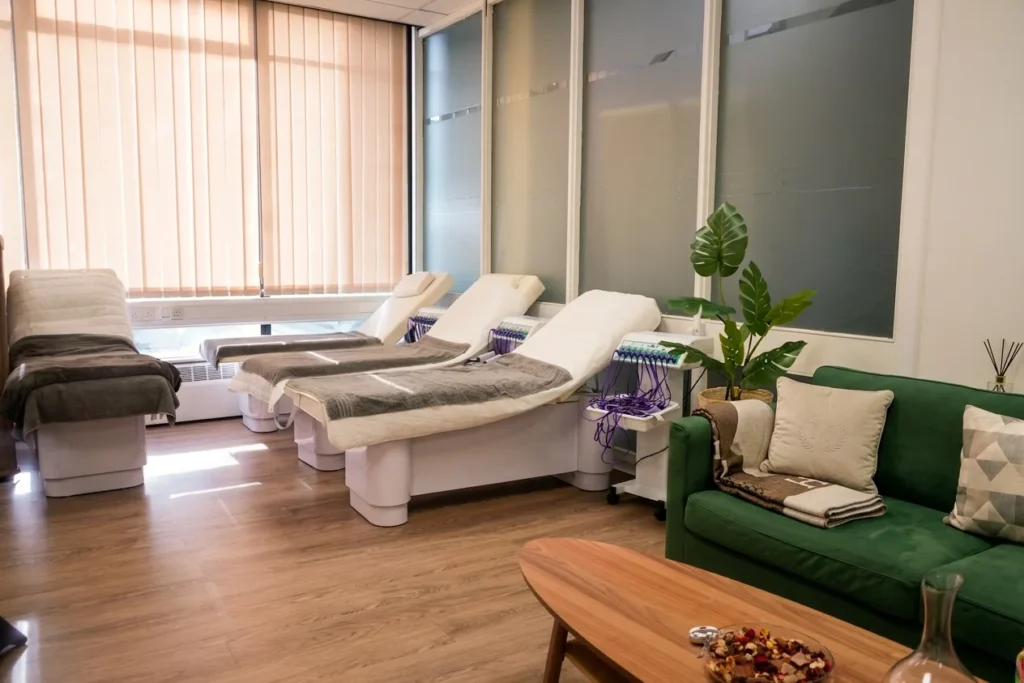
Kenda isn’t a pop-up beauty room or a quick-turnaround clinic. Kenda has been operating since 2011, with established centres across Europe and the United States, and Oldham is its first UK location.
That matters. It means the team brings over a decade of hands-on experience, refined protocols, and results-driven treatment plans. It’s not trial and error, it’s a proven approach delivered by people who genuinely care.
A few things that set Kenda apart from other clinics in the Manchester area:
- Separate treatment areas for men and women, complete privacy, no awkward shared waiting rooms
- No hard-sell pressure — consultations are calm, informative, and judgment-free
- Treatments tailored to your goals, whether that’s losing inches, reducing joint strain, or both
- A professional environment designed for comfort, not a salon with a cavitation machine tucked in the back
If you’re still weighing up your options, our guide to what slimming actually means is a good place to start — it explains the difference between the many approaches available and helps you decide which direction makes sense for you.
Who Is Ultrasonic Cavitation For?
Ultrasonic cavitation at Kenda is especially well-suited for:
- Adults aged 35–70 who carry stubborn fat on the abdomen, thighs, hips, arms, or back
- People experiencing joint pain, arthritis, or reduced mobility who want to reduce excess weight without high-impact exercise
- Men and women who want a private, non-clinical feel without the intimidation of a surgical clinic
- Anyone who has tried diet and exercise but still struggles with specific problem areas
This isn’t a weight loss shortcut. It works best alongside a sensible lifestyle, but it can make a meaningful difference to the areas that just won’t budge, no matter what you do.
It’s also worth understanding what you’re actually targeting before you begin. Many clients are surprised to learn that weight loss and fat loss are not the same thing — and knowing the difference helps you set realistic expectations from the start.
What Happens During Your First Session?
Here’s a step-by-step look at a typical ultrasonic cavitation session at Kenda Slimming Centre, Oldham:
Step 1 — Consultation Before anything else, you’ll have a quiet, relaxed consultation. The team will ask about your goals, health history, and any areas of concern. This isn’t a box-ticking exercise; it’s a genuine conversation to make sure the treatment is right for you.
Step 2 — Preparation You’ll be taken to your private treatment area. A conductive gel is applied to the skin over the target area, which helps the ultrasound waves penetrate safely and effectively.
Step 3 — Treatment: A smooth handheld device is moved slowly and systematically over the treatment area. You may notice a gentle warmth and a faint, low buzzing. This is completely normal, and most clients find it relaxing. Sessions typically last between 30 and 60 minutes, depending on the area.
Step 4 — Aftercare: No recovery time. No bandages. You can go straight back to your normal day. Drinking plenty of water after the session helps your lymphatic system process and eliminate the broken-down fat cells more efficiently.
What Results Can You Realistically Expect?
Most clients notice a visible reduction in circumference and improved skin texture within a few days of their first session. Clinical studies have shown that one session can reduce the localised fat layer by 1–5 cm, though results vary depending on the individual, the area treated, and lifestyle factors.
For best results, a course of 6 to 8 sessions is typically recommended, spaced at least 72 hours apart. This gives the lymphatic system time to process each round of treatment before the next begins.
According to research reviewed by Healthline, results are often long-lasting when supported by good hydration, moderate exercise, and a balanced diet. Fat cells that are disrupted do not regenerate, but new ones can form if dietary habits don’t support the results.
What you eat in the weeks around your treatment matters more than most people realise. Certain foods actively support your body’s fat-processing and recovery — take a look at our list of healthy foods that help with weight loss to see what works well alongside your sessions.
Can Ultrasonic Cavitation Help With Joint Pain?
This is one of the most commonly overlooked benefits — and one Kenda takes seriously.
Carrying excess weight significantly increases the load on joints, particularly the knees, hips, and lower back. Research from Arthritis Research UK (now Versus Arthritis) shows that even a modest reduction in body weight can substantially reduce joint stress and inflammation.
For clients who find traditional exercise too painful or difficult due to arthritis or mobility issues, ultrasonic cavitation offers a gentle, non-impact route to gradual inch loss. Combined with infrared sauna and EMS treatments also available at Kenda, it can form part of a holistic approach to improving mobility and reducing daily discomfort.
If you’re approaching this as part of a broader health journey, our full weight loss treatment guide explains how the different therapies at Kenda can work together — and which combination tends to suit different goals.
Is Ultrasonic Cavitation Safe?
Yes — when performed by trained professionals using proper equipment.
At Kenda Slimming Centre in Oldham, treatments are carried out with professional-grade devices following established protocols. The treatment is not suitable for everyone, however. It is not recommended for people who are pregnant, have pacemakers, active cancer, liver disease, or severe blood disorders.
During your consultation, the team will go through your health history carefully to ensure the treatment is safe and appropriate for you. If there’s any doubt, they’ll advise you to seek GP guidance first.
Ultrasonic Cavitation vs Liposuction: A Quick Comparison
| Ultrasonic Cavitation | Surgical Liposuction | |
|---|---|---|
| Invasive? | No | Yes |
| Anaesthesia required? | No | Yes |
| Recovery time | None | Days to weeks |
| Pain level | Minimal | Significant |
| Results timeline | Gradual (weeks) | Immediate, but with swelling |
| Cost | More affordable | Significantly higher |
| Best for | Stubborn fat, inch loss | Larger volume fat removal |
For most people in Oldham and the wider Manchester area seeking a safe, accessible option, ultrasonic cavitation is the far more practical starting point.
FAQ: Ultrasonic Cavitation Oldham
How many sessions of ultrasonic cavitation do I need?
Most clients benefit from a course of 6 to 8 sessions. You may notice results after the first session, but cumulative treatments deliver the most significant and lasting change.
Is ultrasonic cavitation painful?
No. Most clients describe it as a warm, gentle buzzing sensation. It’s non-invasive and requires no anaesthesia or recovery time.
Is it safe for people over 50?
Yes, in most cases. Ultrasonic cavitation is a low-risk treatment suitable for many adults over 50. Your consultation at Kenda will confirm suitability based on your individual health profile.
How long does each session last?
Typically 30 to 60 minutes, depending on the treatment area.
Can it help reduce inflammation around joints?
Directly, cavitation targets fat cells rather than inflammation. However, reducing excess weight can significantly reduce the mechanical stress on joints and may contribute to reduced inflammation over time.
What areas can be treated?
Common areas include the abdomen, thighs, hips, upper arms, buttocks, and flanks. Your therapist at Kenda will discuss the most appropriate areas based on your goals.
How soon after treatment can I exercise?
You can return to light activity immediately. Staying well-hydrated and doing gentle movement in the 48 hours after treatment helps your lymphatic system process the released fat.
Is Kenda the only clinic offering this in Oldham?
Kenda Slimming Centre is currently the only clinic in Oldham offering this treatment within a purpose-built facility with separate male and female treatment areas, and the backing of over a decade of international clinical experience.
Ready to Find Out More?
If you’re in Oldham or anywhere in the Greater Manchester area and you’d like to explore whether ultrasonic cavitation is right for you, Kenda Slimming Centre offers a calm, professional, pressure-free consultation.
One last tip before you book — small changes to your daily routine can make a real difference to how your body responds to treatment. Our guide to building an evening routine for weight loss is a quick, practical read that many of our clients find genuinely useful.
Book your consultation at Kenda Slimming Centre, Oldham today — and take the first step toward feeling lighter, moving easier, and living better.