
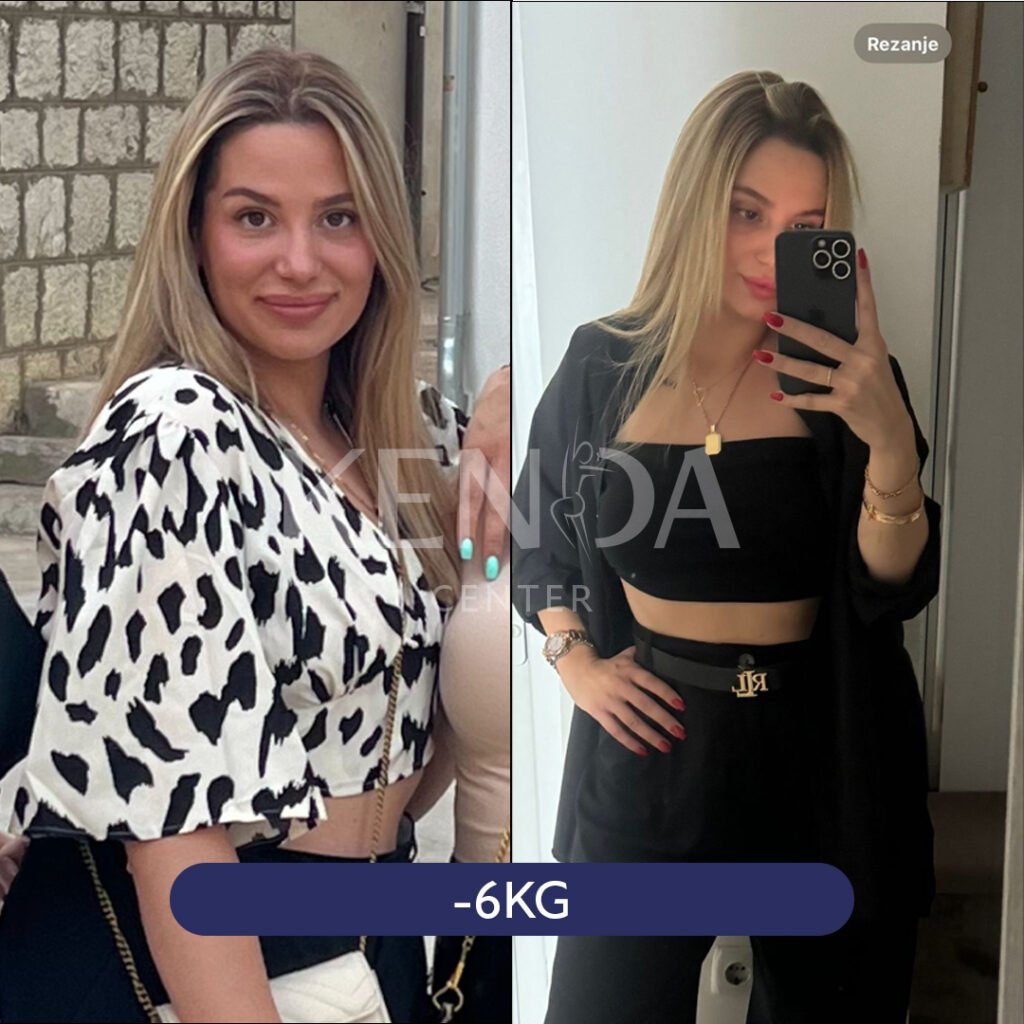
When it comes to weight loss vs fat loss UK, most people step on the scales and celebrate when the number drops, but here is the truth: losing weight and losing fat are not the same thing. If you are on a health journey in the UK and want real, lasting results, understanding the difference between weight loss and fat loss is the most important thing you can do. One approach can leave you lighter but weaker, while the other transforms your body shape, boosts your metabolism, and keeps the results for good. This guide breaks it all down in simple terms so you can make the right choice for your body.
What Is Weight Loss and What Is Fat Loss?
Before diving deep, let’s define both terms clearly.
Weight loss means your total body weight decreases. This includes loss of fat, muscle, water, and even bone density. When you crash diet or skip meals, most of the weight you lose in the first few weeks is water weight and muscle, not fat.
Fat loss means specifically reducing the stored body fat in your body while keeping or building muscle mass. This is what most people actually want when they say they want to “lose weight.”
The distinction matters enormously. Two people can lose the same number of kilograms on the scales and end up with completely different bodies, depending on whether they lost fat or muscle.
Why the Scales Can Be Misleading
The bathroom scales measure your total body mass. They do not tell you:
- How much of that mass is fat
- How much is lean muscle
- How much is water retention
- How has your body composition changed
This is why someone can be “skinny fat,” meaning a low body weight but a high body fat percentage. Conversely, someone who exercises regularly may weigh more but look slimmer and be far healthier because they carry more lean muscle.
According to the NHS, focusing on overall health and body composition gives far better long-term results than chasing a number on the scales.
Weight Loss vs Fat Loss UK: Key Differences Explained
Here is a side-by-side breakdown to make the differences crystal clear:
| Factor | Weight Loss | Fat Loss |
| What decreases | Total body mass (fat + muscle + water) | Stored body fat specifically |
| Effect on metabolism | Can slow metabolism if muscle is lost | Preserves or improves metabolism |
| Body composition | May not improve | Improves significantly |
| Long-term results | Often regained | More sustainable |
| Measurement tool | Regular scales | Smart scales or body fat percentage tools |
| Health impact | Mixed | Strongly positive |
For anyone in the UK looking for meaningful, lasting change, fat loss is the goal worth pursuing.
What Causes Weight Loss Without Fat Loss?
Several factors can cause the number on your scales to drop without actual fat being burned:
- Water loss – Low-carb diets or sweating heavily can cause rapid water loss, creating the illusion of fat loss
- Muscle loss – Very low-calorie diets without enough protein lead to muscle breakdown
- Glycogen depletion – Your body stores carbohydrates as glycogen with water attached; depleting it drops weight fast, but returns quickly
- Digestive contents – Your weight naturally fluctuates by 1-3kg throughout the day based on food and fluid intake
Understanding this helps you avoid the frustration of seeing the scales move in the wrong direction even when you are doing everything right.
How to Achieve True Fat Loss in the UK
Achieving genuine fat loss rather than just weight loss requires a smart approach. Here are the key principles:
1. Create a Moderate Calorie Deficit
The NHS recommends aiming for a deficit of around 500 calories per day, which leads to roughly 0.5kg of fat loss per week. Crash diets create too large a deficit and cause muscle loss instead.
2. Prioritise Protein Intake
Protein protects muscle while you are in a calorie deficit. Aim for at least 1.2-2g of protein per kg of body weight daily. Good UK sources include chicken, eggs, Greek yoghurt, cottage cheese, and legumes.
3. Include Resistance Exercise
Strength training sends a signal to your body that muscle is needed, so your body burns fat for energy instead of breaking down muscle tissue. Even two to three sessions per week make a significant difference.
4. Consider Non-Invasive Fat Loss Treatments
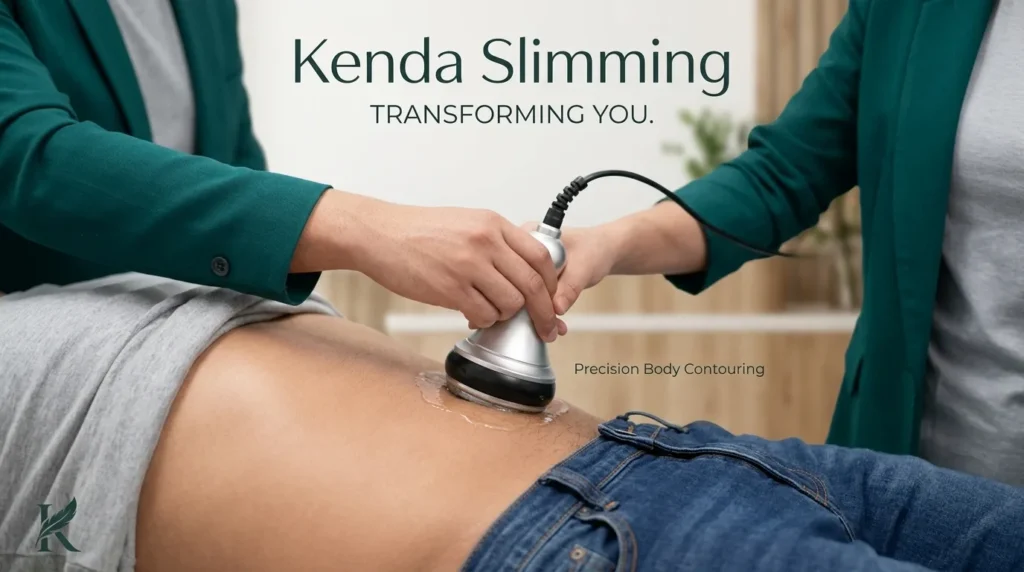
For those who want to target stubborn fat areas or need support beyond diet and exercise, non-invasive body treatments have become increasingly popular across the UK. Treatments like infrared therapy, ultrasonic cavitation, and electrical muscle stimulation (EMS) can directly target fat cells while preserving muscle tissue.
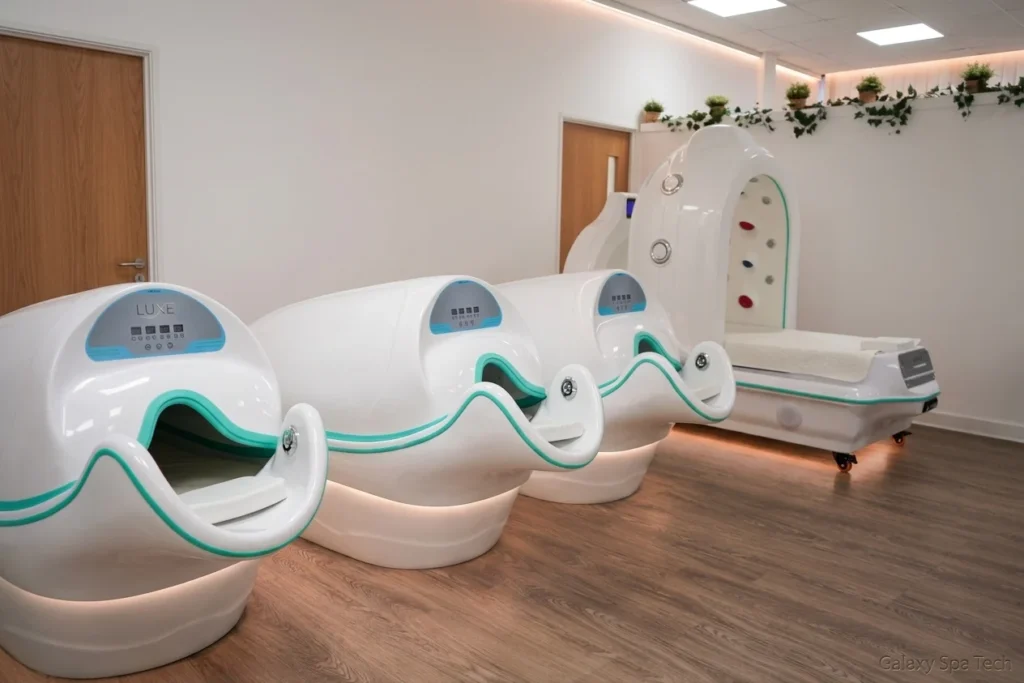
At Kenda Slimming Centre in Oldham, Manchester, clients use advanced equipment, including the Body Shape Reclining Cabin, Perfect Body Tunnel Sauna, and Intense Ultrasonic devices, to achieve genuine fat loss, not just weight loss. Many clients report losing multiple inches from specific areas within just a few sessions.
5. Focus on Sleep and Stress Management
Poor sleep raises cortisol levels, which promotes fat storage, especially around the belly. Aim for 7-9 hours of quality sleep. You can also support your results by following a healthy evening routine for weight loss that prepares your body for rest and recovery.
Can You Lose Fat Without Losing Weight?
Yes, absolutely. This happens regularly when fat loss is combined with muscle gain. You may notice:
- Clothes fit better and feel looser
- Body measurements (waist, hips, arms) decrease
- You look more toned and defined
- Energy levels and strength improve
Yet the scales barely move or even go slightly up. This is a sign of genuine body recomposition and is actually a fantastic result. Do not let the scales fool you into thinking nothing is happening.
Weight Loss vs Fat Loss for Women in the UK
Women often experience a unique challenge here because:
- Hormonal fluctuations (menstrual cycle, PCOS, perimenopause) cause regular weight changes due to water retention
- Women naturally carry a higher body fat percentage than men for reproductive health
- Crash dieting can disrupt hormonal balance and worsen conditions like PCOS
This is why targeted fat loss treatments that support hormonal health, like infrared sauna therapy, are especially beneficial for women. Kenda Slimming Centre offers dedicated treatment areas for women, with therapies specifically suited to feminine health needs. Find out more about what slimming really means for your body and how it differs from simple dieting.
Does Infrared Therapy Help With Fat Loss?

Infrared sauna and body cabin treatments have grown significantly in popularity across the UK as a non-invasive fat loss method. Here is how they work:
- Infrared heat penetrates deep into fat tissue, raising the core temperature
- The body responds by increasing metabolic rate and burning more calories
- Fat cells are mobilised, and the lymphatic system supports their elimination
- Circulation improves, reducing cellulite and water retention
- Skin becomes firmer and more toned as a side effect
Studies suggest that regular infrared sauna sessions can burn a comparable number of calories to moderate exercise, making it an excellent complement to a healthy lifestyle. Pairing these treatments with healthy foods that help with weight loss amplifies the results significantly.
How Long Does Fat Loss Actually Take?
This depends on your starting point, approach, and whether you are combining diet, exercise, and treatment. As a general guide:
- Weeks 1-2: Water weight drops, body adjusts to new routine
- Weeks 3-6: Visible fat loss begins, measurements start decreasing
- Weeks 6-12: Noticeable body composition changes, clothes fit differently
- 3-6 months: Significant transformation in body shape and fat percentage
Clients at Kenda Slimming Centre in Oldham typically begin noticing visible inch loss and energy improvements within 4 to 6 sessions. Results vary by individual, but the consistent feedback is that non-invasive treatments accelerate the timeline compared to diet alone.

Conclusion
Understanding the difference between weight loss and fat loss in the UK is the first step to achieving the body and health you actually want. Weight loss alone can leave you lighter but still unhappy with how you look and feel. True fat loss, achieved through smart nutrition, exercise, and targeted treatments, reshapes your body, preserves your muscle, and delivers results that last.
If you are ready to stop chasing a number on the scales and start achieving genuine fat loss, the team at Kenda Slimming Centre in Oldham, Manchester, is here to help. With over a decade of experience and world-class non-invasive technology, we help clients lose inches, boost energy, and feel confident again, all without surgery, harsh diets, or intense workouts.
Book your free consultation today at Kenda Slimming Centre, Oldham. Call us on +44 744 2222 711 or visit kendaslimmingcentre.co.ukt o start your transformation.
Frequently Asked Questions (FAQs)
What is the main difference between weight loss and fat loss?
Weight loss refers to a reduction in total body mass, which includes fat, muscle, and water. Fat loss specifically targets stored body fat while preserving lean muscle. Fat loss is considered a better health outcome because it improves body composition and metabolism without the risks of muscle breakdown.
Is fat loss better than weight loss for health?
Yes. Fat loss is generally far better for long-term health. Preserving muscle mass keeps your metabolism active, reduces the risk of type 2 diabetes and cardiovascular disease, improves joint health, and makes it easier to maintain your results. Simply losing weight by any means can actually harm your health if muscle is lost in the process.
Can you lose fat without losing weight in the UK?
Yes. When fat loss is combined with muscle gain through resistance training and adequate protein, your body weight may stay the same or even increase slightly while your body becomes leaner and more defined. Clothes fit better, measurements decrease, and your overall health improves even when the scales do not move.
How long does it take to see fat loss results?
Most people begin to see noticeable fat loss results within 4 to 6 weeks of consistent effort. Clients using non-invasive treatments like infrared therapy or ultrasonic cavitation at Kenda Slimming Centre in Oldham often report visible inch loss within 4 to 6 sessions. Combining treatments with healthy eating and movement speeds up results significantly.
What are the best non-invasive fat loss treatments available in the UK?
The most effective non-invasive fat loss treatments available in the UK include infrared body cabin therapy, ultrasonic cavitation, electrical muscle stimulation (EMS), and traditional sauna therapy. These are all available at Kenda Slimming Centre in Oldham, Manchester, where clients benefit from clinically-backed technology in a private, welcoming environment.
Why am I losing weight but not fat?
This is very common, especially early in a diet or exercise programme. Your body may be shedding water weight, glycogen stores, or even muscle tissue rather than fat. To ensure you are losing fat specifically, focus on a moderate calorie deficit, high protein intake, resistance training, and consider body composition measurements rather than relying solely on the scales.
Published by Kenda Slimming Centre, Oldham, Manchester. Professional non-invasive weight loss and body contouring treatments for women and men across Greater Manchester and the North West of England.